Champagne is often bought for celebration, but the best bottles are capable of far more than immediate enjoyment. Depending on the producer, style, vintage, disgorgement date and storage conditions, Champagne can evolve beautifully for years – and in some cases, decades.
As a general rule, most non-vintage Champagne is best enjoyed within a few years of release, while vintage Champagne, prestige cuvées and certain grower Champagnes can age for much longer.
The important point is that not all Champagne is designed for the same drinking window. Some bottles are made for freshness and energy; others are built around structure, depth and long-term development.
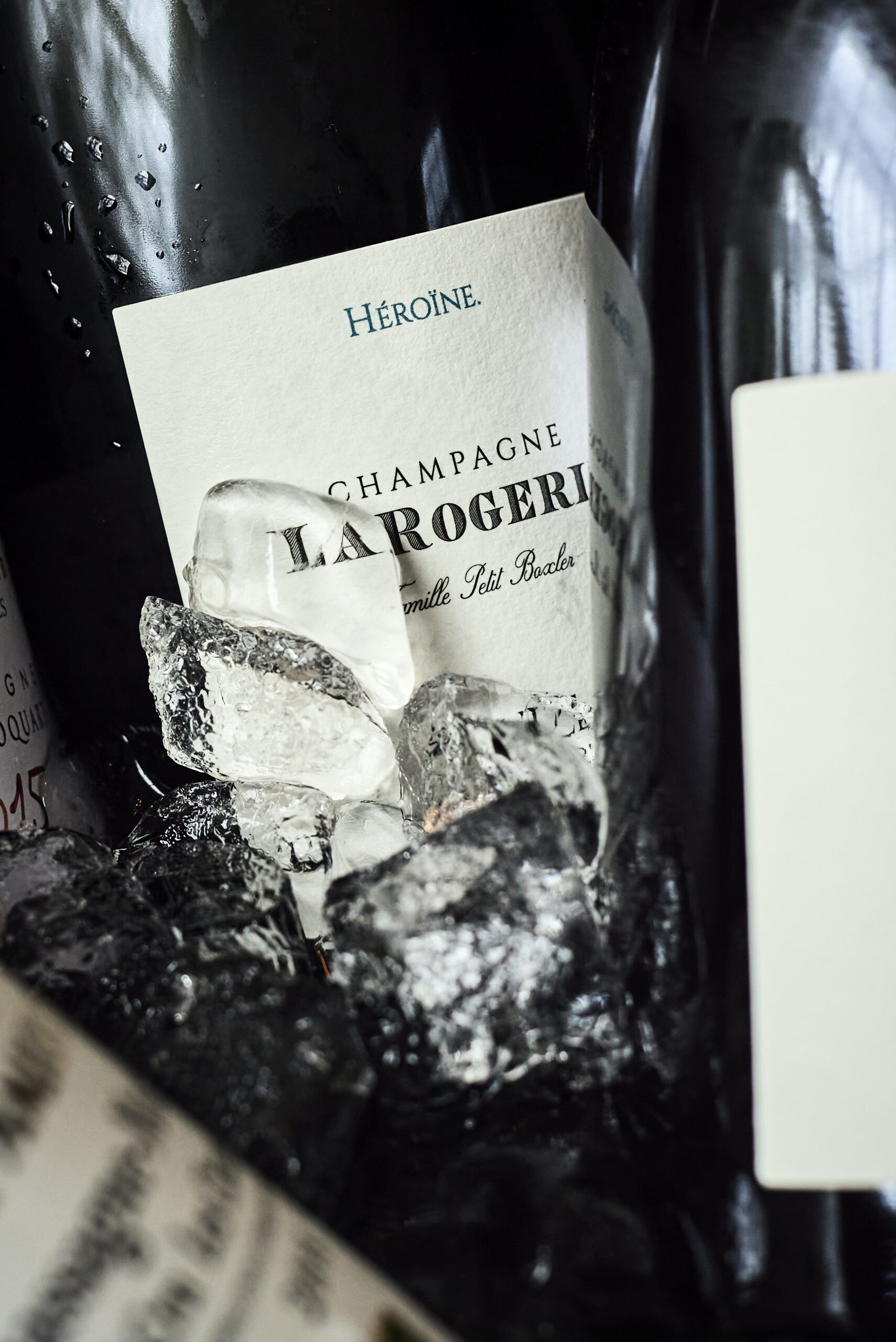
At Rueda Wine Co., we work with a focused selection of Champagne producers, from grower domaines such as Dhondt-Grellet, Etienne Calsac, La Rogerie, Pascal Doquet, Chavost, René Geoffroy, Paul Bara and Georges Laval, to the historic house of Charles Heidsieck. Each producer approaches Champagne differently, and those differences have a direct impact on how long the wines can age.
Does Champagne age?
Yes, Champagne can age. In fact, bottle ageing is central to Champagne’s identity.
Champagne is made by the traditional method, where the second fermentation takes place in a bottle. After this fermentation, the wine ages on its lees – the spent yeast cells left after fermentation. This lees ageing gives Champagne much of its texture, complexity and familiar notes of brioche, toast, biscuit and roasted nuts.
Under Champagne appellation rules, non-vintage Champagne must spend at least 15 months in the producer’s cellars before release, while vintage Champagne must spend at least three years. In practice, many serious producers age their wines for longer than the legal minimum, especially for vintage, single-vineyard or prestige cuvées.
There are two different types of ageing to understand:
First, there is ageing before disgorgement, while the wine rests on its lees. This tends to preserve freshness while adding texture and complexity.
Second, there is ageing after disgorgement, once the lees have been removed and the bottle has been sealed with its final cork. This is when the wine begins to evolve more like a finished still wine, gaining notes of honey, dried fruit, spice, mushroom, toast and roasted nuts.
Both forms of ageing matter.
How long does non-vintage Champagne age?
Most non-vintage Champagne is best drunk within 1 to 5 years after release.
That does not mean it expires immediately after five years. A well-stored bottle from a serious producer may still be very good after that. But non-vintage Champagne is usually blended for balance, freshness and consistency. It is generally released when the producer believes it is ready to drink.
For fresh, mineral, aperitif-style Champagnes, earlier drinking is often best. These wines are usually at their most precise when the fruit, acidity and chalky freshness are still prominent.
Grower Champagnes can be more variable. Some non-vintage or multi-vintage cuvées from ambitious growers may age more like vintage Champagne, especially if they come from older vines, low yields, strong terroirs, extended lees ageing, or a base vintage with good structure.
In the Rueda Wine Co. portfolio, producers such as Etienne Calsac, Pascal Doquet and Dhondt-Grellet often appeal to drinkers looking for clarity, energy and terroir expression. These wines can be excellent young, especially when the goal is freshness and precision. More structured bottlings, however, can develop beautifully with a few extra years in a cool cellar.
How long does vintage Champagne age?
Vintage Champagne usually has a longer drinking window: around 5 to 20+ years, depending on the producer and vintage.
Unlike non-vintage Champagne, vintage Champagne comes from a single year. It is usually only made when the producer believes the vintage has enough quality and personality to stand on its own. These wines often have greater concentration, greater structure and greater ageing potential.
Young vintage Champagne can be thrilling but sometimes tight. With time, the acidity integrates, the mousse softens, and the wine develops more complex aromas: toasted brioche, hazelnut, honey, dried citrus, baked apple, spice and sometimes savoury, umami notes.
This is where producer style becomes very important. A powerful Pinot Noir-based Champagne from an old-school producer will not age in the same way as a tense, chalk-driven Blanc de Blancs from the Côte des Blancs.
For example, Paul Bara, based in Bouzy, is associated with Pinot Noir-driven Champagne from a Grand Cru village. These wines can have the fruit density and structure to age well. By contrast, producers such as Pascal Doquet or La Rogerie, working with Chardonnay and chalk-rich terroirs, may offer a more mineral, linear expression of ageing.
How long does prestige cuvée Champagne age?
Prestige cuvées and top bottlings can age for 10 to 30+ years in the right conditions.
This does not mean every expensive bottle should be kept forever. But the best examples are often built for longer development. They may come from old vines, top villages, single vineyards, exceptional vintages, or extended cellar ageing before release.
Charles Heidsieck is a useful example in the Rueda Wine Co. portfolio because the house is known for richness, complexity, and depth in reserve wines. A Champagne like Charles Heidsieck can often show more mature, layered character even on release, while the vintage and prestige-level wines can reward further cellaring.
Among growers, Georges Laval is one of the most serious names in Champagne. The wines are sought after precisely because they combine intensity, vineyard character and the capacity to evolve. These are not merely sparkling wines for an aperitif; they are wines of place, structure and texture.
What makes Champagne age well?
Several factors determine whether a Champagne will improve with age.
1. Acidity
Acidity is one of the most important elements in Champagne ageing. It keeps the wine fresh, energetic and balanced as fruit begins to evolve into more tertiary flavours.
Champagne’s cool climate naturally supports high acidity, which is one reason the region produces wines with such strong ageing potential.
2. Lees ageing
Longer lees ageing can add depth and stability. Wines aged for longer on lees often show more texture, creaminess and savoury complexity.
This is one reason disgorgement dates matter. A recently disgorged older Champagne can taste fresher and more youthful than a bottle disgorged many years ago and then aged on cork.
3. Dosage
Dosage is the small addition of wine and sugar after disgorgement. It helps shape the final balance of the Champagne.
Low-dosage and extra-brut Champagnes can age very well when they have enough underlying fruit and structure, but they can also be more demanding when young. A slightly higher dosage does not necessarily make a Champagne less serious. In many cases, it helps the wine age gracefully by balancing acidity and bitterness.
4. Grape variety
Chardonnay-dominant Champagnes often age along a line of citrus, chalk, flowers, pastry and hazelnut.
Pinot Noir-dominant Champagnes tend to develop more breadth, red-fruited depth, spice and savoury richness.
Meunier can bring fruit, approachability and generosity, although old-vine Meunier from serious terroirs can also age impressively.
5. Producer style
Producer style matters as much as the technical category.
A non-vintage Champagne from a serious grower may age better than a weak vintage Champagne from a less compelling source. Similarly, a terroir-driven wine from Dhondt-Grellet, La Rogerie or Georges Laval may behave differently from a broader, house-style Champagne such as Charles Heidsieck.
6. Storage
Storage is critical. Champagne is sensitive to heat, light and temperature fluctuation. Poor storage can flatten the mousse, dry out the cork, accelerate oxidation and destroy freshness.
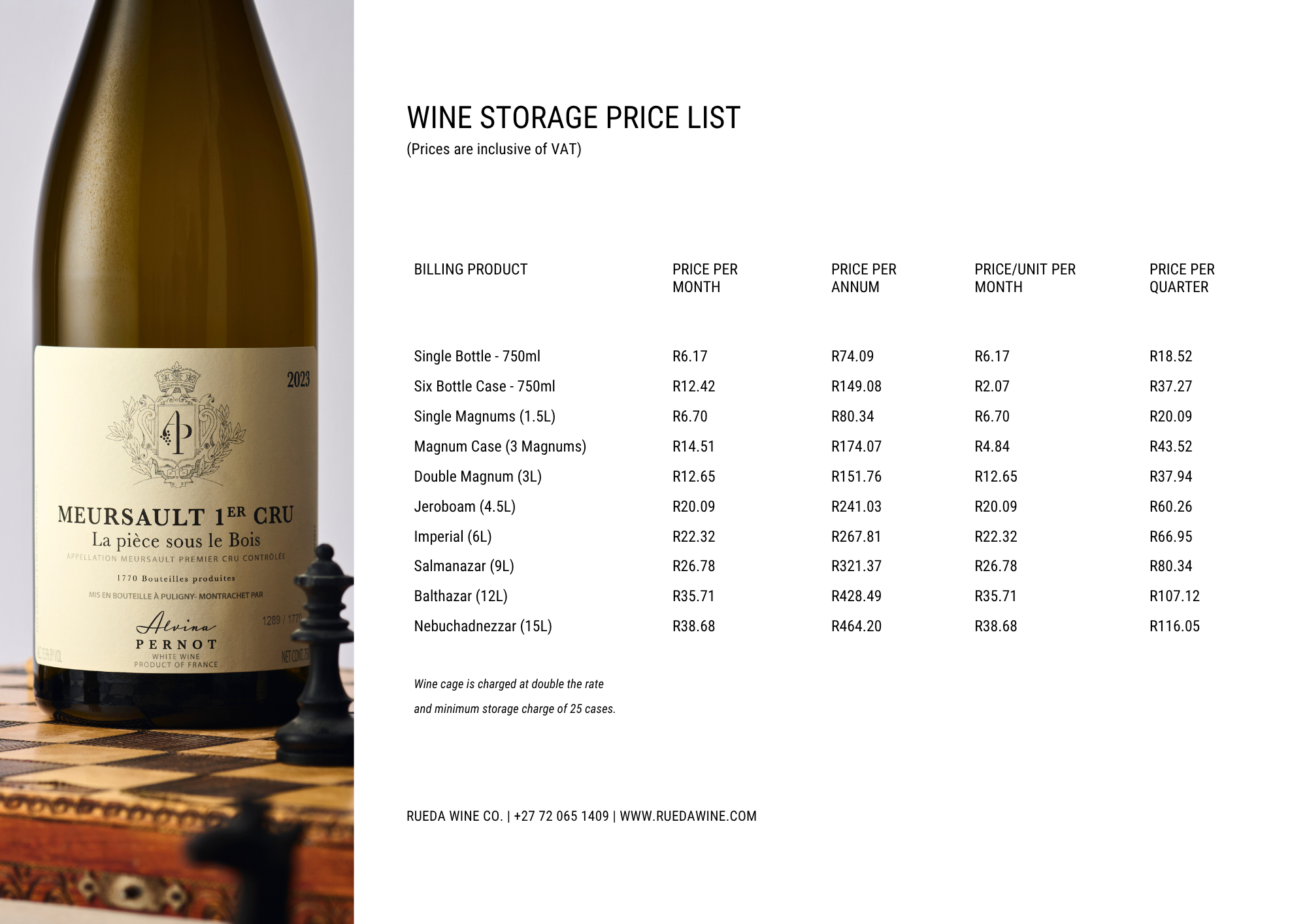
For long-term cellaring, Champagne should be kept in a dark, stable, cool environment. At Rueda Wine Co., our professional cellaring facilities are maintained at 14°C with an average humidity of 70%, designed for long-term wine storage under optimal conditions.
Should Champagne be stored standing up or lying down?
For long-term storage, Champagne should generally be stored lying down, as with other cork-sealed wines. This helps keep the cork in contact with the wine, reducing the risk of drying out over time.
For short-term storage, standing upright is not a problem. If you are drinking the bottle within a few weeks or months, the position is less important than keeping it cool, dark and stable.
The refrigerator is suitable for chilling Champagne before serving, but it is not ideal for long-term storage. Domestic fridges are usually too cold and too dry, and frequent vibration or temperature changes can affect the wine over time.
How do aged Champagne flavours change?
Young Champagne often shows:
• lemon
• green apple
• pear
• white flowers
• chalk
• fresh bread
• bright acidity
• lively mousse
With age, Champagne may develop:
• brioche
• toast
• roasted nuts
• honey
• baked apple
• dried citrus
• mushroom
• spice
• coffee
• savoury umami notes
The mousse may also become softer and finer. This is not necessarily a fault. Many mature Champagne drinkers enjoy the gentler bead and more wine-like texture that develops with age.
However, there is a limit. If Champagne has lost all freshness, all pressure and all balance, it may simply be too old or poorly stored.
Practical drinking windows
These are general guidelines rather than strict rules.
Champagne style | Typical drinking window |
Non-vintage Champagne | 1–5 years after release |
Serious grower non-vintage / multi-vintage | 2–8 years |
Vintage Champagne | 5–20+ years |
Prestige cuvée Champagne | 10–30+ years |
Late-disgorged Champagne | Depends on disgorgement date and producer |
Poorly stored Champagne | Drink sooner rather than later |
Which Rueda Champagne producers should you drink young?
For freshness, energy and immediate drinking pleasure, look at producers such as Etienne Calsac, Chavost and Pascal Doquet and Dhondt-Grellet’s non-vintage wines.
These wines can be extremely rewarding in youth because they often emphasise purity, mineral drive and vineyard character. That does not mean they cannot age, but their charm is often very clear early on.
Which Rueda Champagne producers can age longer?
For longer cellaring, consider more structured, serious or collectable bottlings from Georges Laval, Charles Heidsieck, Paul Bara, La Rogerie, Dhondt-Grellet and Pascal Doquet.
The specific cuvée matters. A producer’s entry-level wine and top single-vineyard or vintage bottling should not be treated the same way. The best approach is to consider the wine, the vintage, the disgorgement date and your own taste preference.
Some collectors prefer Champagne young, when it is tense, bright and electric. Others prefer it after years of development, when the wine becomes deeper, broader and more savoury. Neither preference is wrong.
Can Champagne go bad?
Yes. Champagne can lose freshness, pressure and balance over time.
A tired bottle may show:
• very little mousse
• deep gold or amber colour
• bruised apple aromas
• excessive mushroom or sherry-like notes
• flat texture
• sour or stale flavours
That said, mature Champagne naturally tastes different from young Champagne. Honey, toast, dried fruit and mushroom notes are not automatically faults. The key question is whether the wine still has balance and freshness.
Final advice: buy by producer, store carefully, drink according to style
So, how long does Champagne age?
Most non-vintage Champagne should be enjoyed within a few years of release. Good grower Champagne can often age longer. Vintage Champagne may develop beautifully over 10 to 20 years. The greatest bottles, from the right producer and stored correctly, can last for decades.
The safest rule is simple: buy the producer, understand the style, and store the wine properly.
At Rueda Wine Co., our Champagne selection is built around producers whose wines offer more than bubbles. From the precision of Etienne Calsac and Pascal Doquet, to the depth of Charles Heidsieck, the Pinot Noir structure of Paul Bara, the grower intensity of Georges Laval, and the terroir-driven work of Dhondt-Grellet, La Rogerie, Chavost and René Geoffroy, Champagne can be approached as a serious wine category – not just a celebratory drink.
Whether you are buying Champagne to drink now or to cellar for the future, the most important decisions are producer selection, storage conditions and timing. A great bottle opened too early may feel closed; a great bottle opened too late may have lost its spark. But opened at the right moment, mature Champagne can be one of the most complex and rewarding wines in the world.